After the intense Salar de Uyuni trip, I was ready for a couple of days off.
Sucre
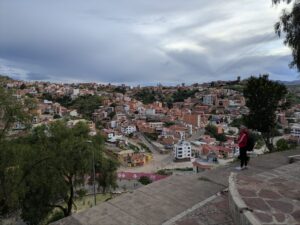
Luckily, Sucre proved as the perfect location to put my feet up and decompress for a couple of days. An introvert like me needs a private room every now and then – especially after spending 3 days and 2 nights constantly in a group 🙂
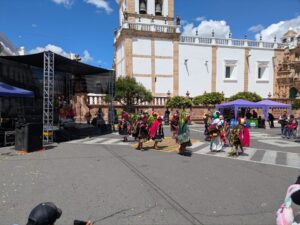
Except from exploring the town a little bit and sorting out my second tattoo, not much happened in Sucre. Still, I enjoyed my time very much, as I love cities like this – one of the 2 capitals of Bolivia (the constitutional capital) but with a very homely and small-town-y vibe.
Cochabamba
As we (= Jan, who I still hadn’t managed to get rid of after the Salar de Uyuni trip, and me) didn’t want to spend 12 hours on a bus from Sucre to La Paz, we decided to break the trip up a little bit and have a layover in Cochabamba, which is on the way to La Paz anyway.
So, a short 8-hour ride later, we arrived in Cochabamba – without really knowing what’s to do there.
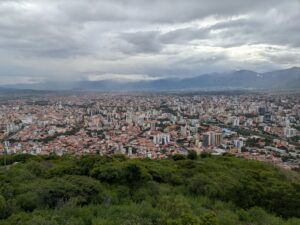
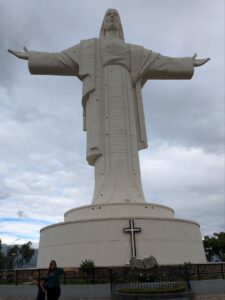
We hiked up to “one of the tallest” Jesus statues in the world as well as through a local national park (although I had to cut the hike short because of stomach problems) and after two nights continued on our way to La Paz.
La Paz
The “other one” of Bolivia’s capitals, housing the government and the executive and legislative branches.
A short drive from Cochabamba away, we arrived in La Paz in the evening and settled in to our respective hostels. As I had spent enough time in a single room in Sucre, it was time for the opposite end of the scale and I chose the most obvious socializing hostel in the city, whereas Jan went to a more tranquil alternative.
The city itself was already announced to me as “crazy but amazing” and that very much reflects my own experience as well.
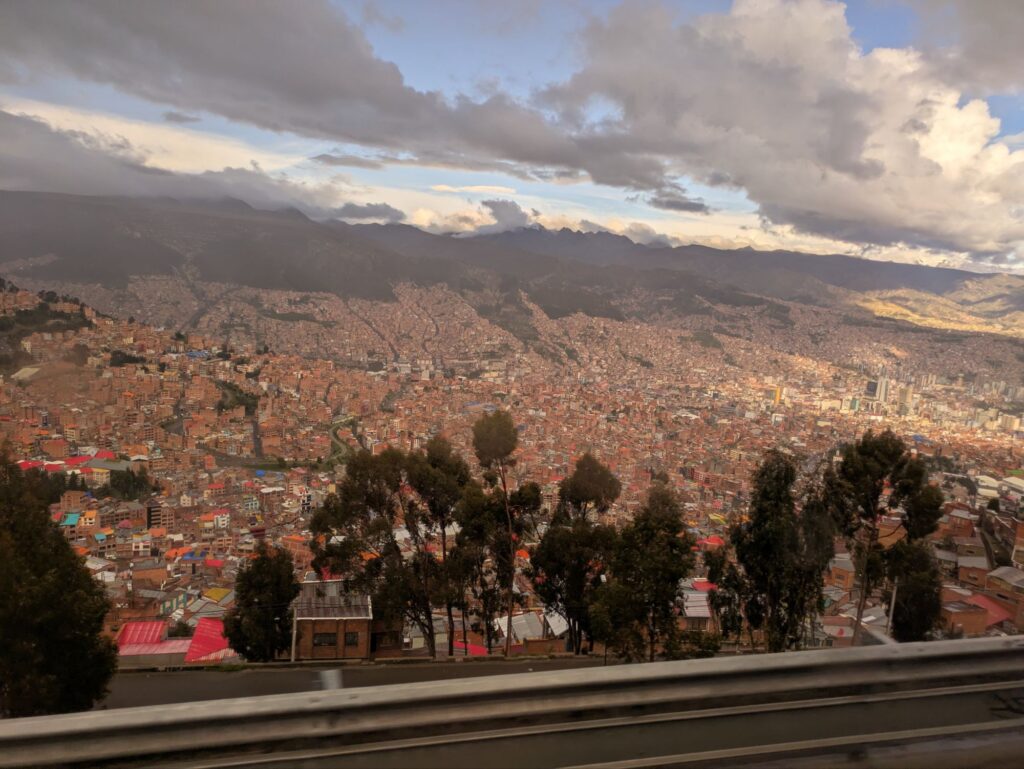
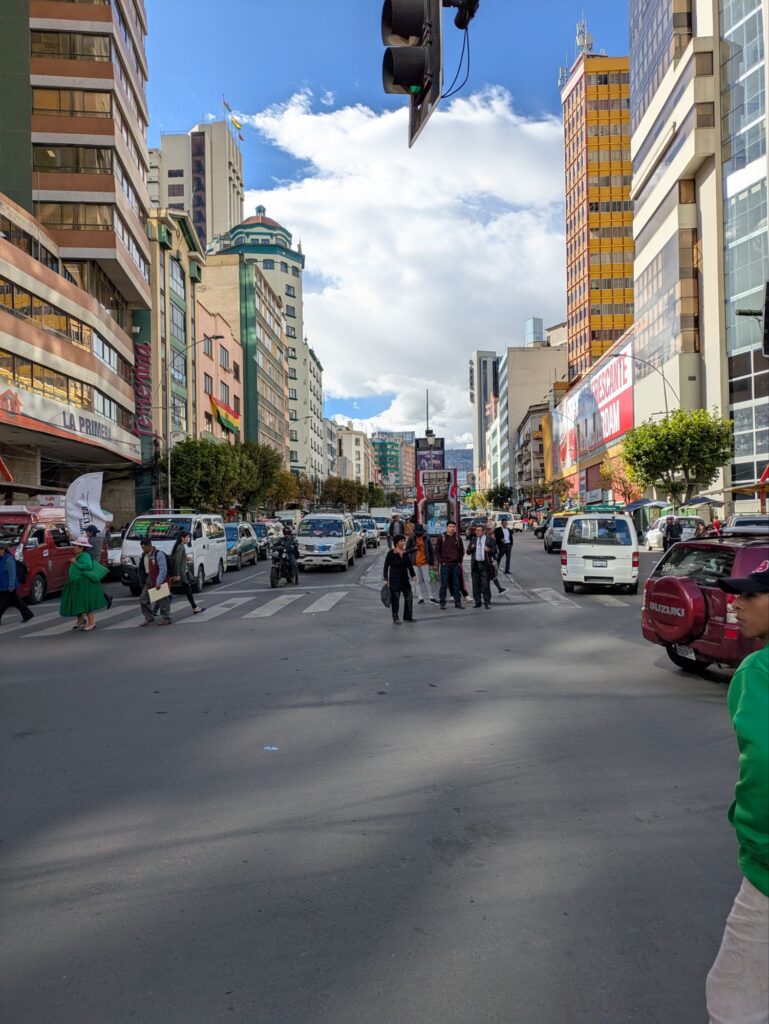
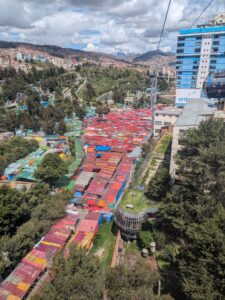
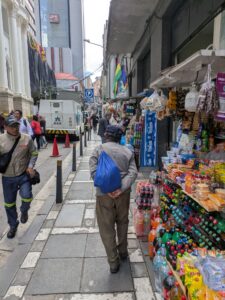
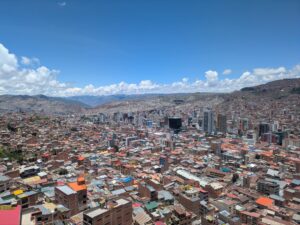
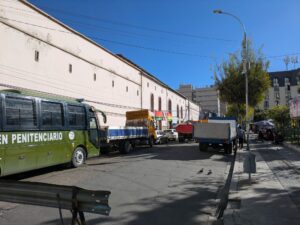
The city itself is nothing like I imagined it… Actually, that goes for every location in Bolivia so far – I don’t know what I expected from one of the allegedly least developed and poorest countries in the region, but it certainly was not this.
Sure, there are sketchy areas that you wouldn’t want to end up at in the middle of the night, but that’s the same in any other city. The central region very much is “crazy but amazing” and despite my usual aversion to cities, I enjoyed it so much that I spontaneously extended my stay three times.
As at every stop on my trip so far, La Paz also has to offer an insane amount of activities and tours, the most interesting one for me being for sure…
El Camino de la Muerte
Or “The Death Road”
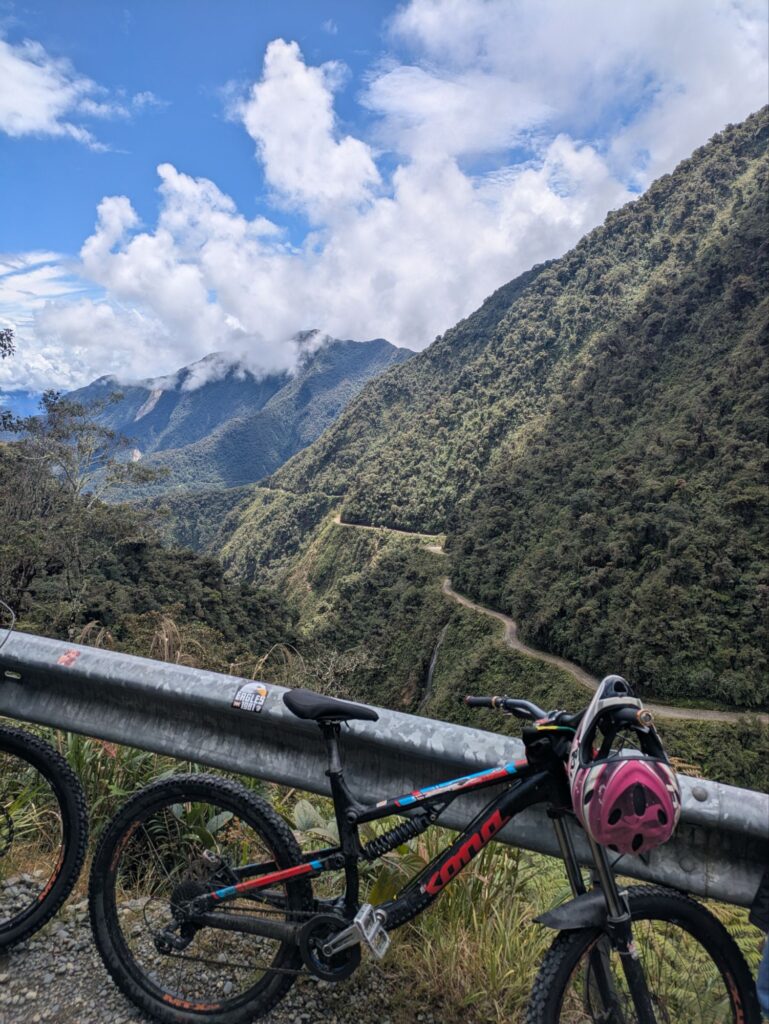
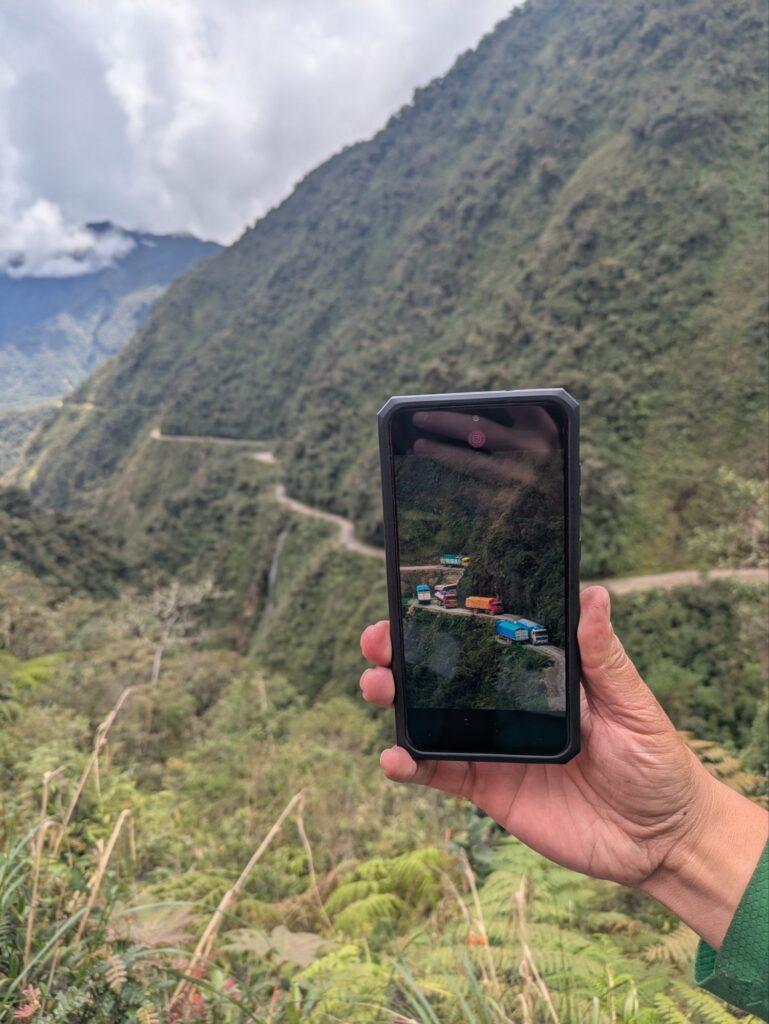
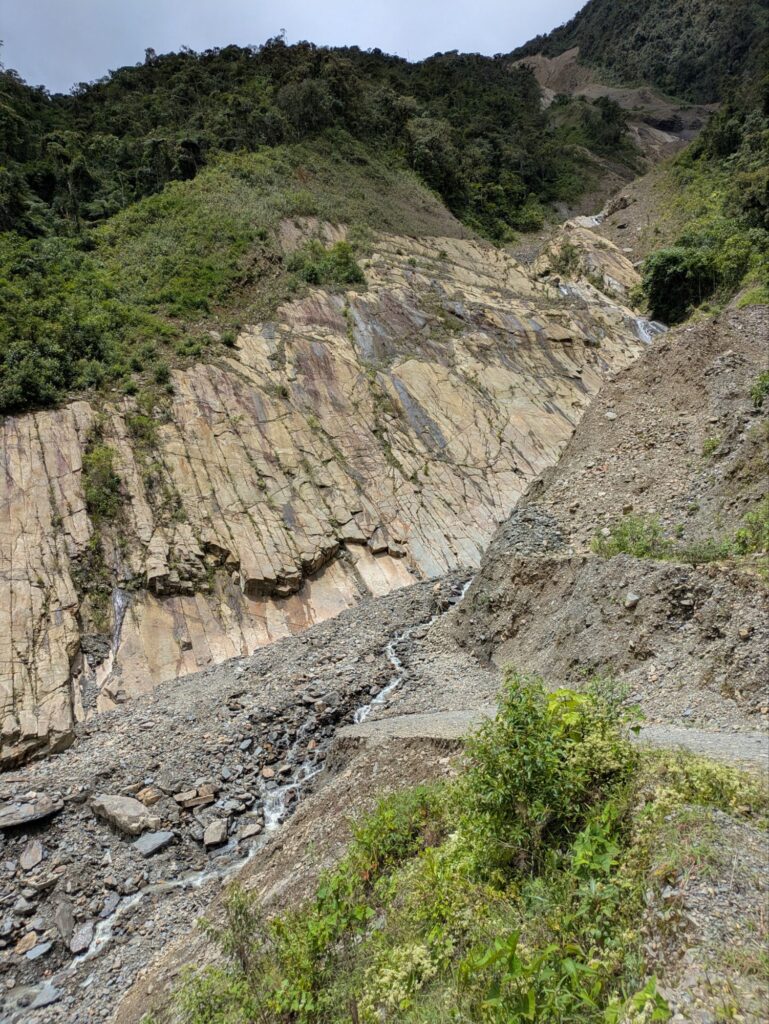
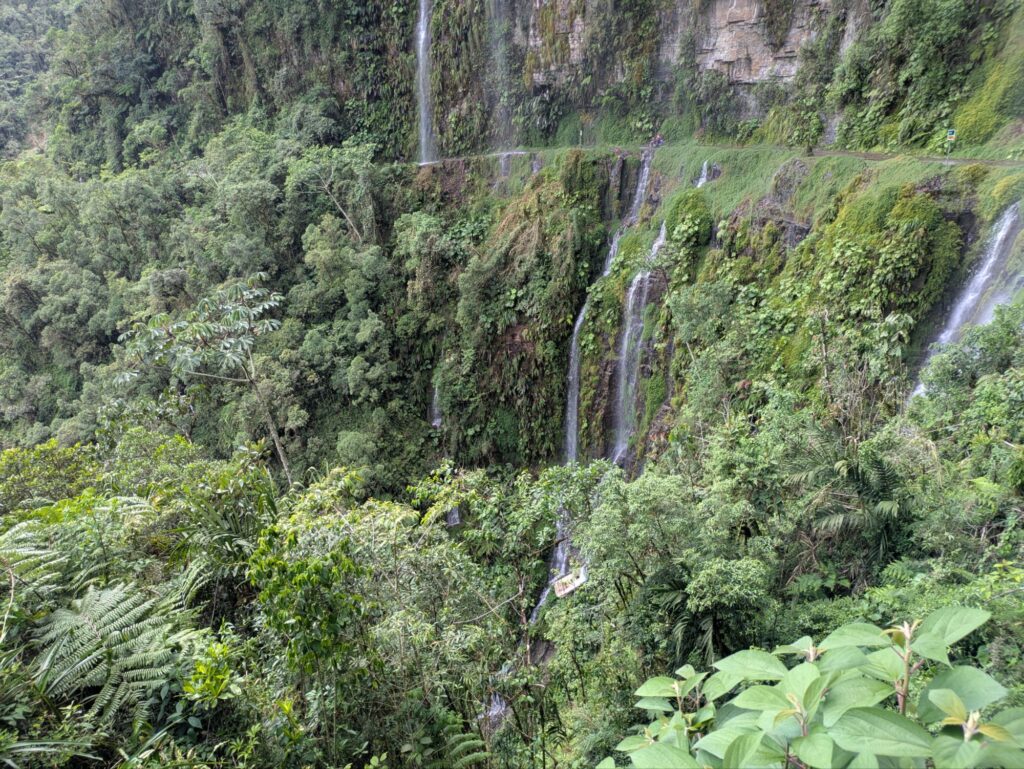
Again one of those spots that I’d already seen and heard stories of as a kid. The “most dangerous road in the world” is only 3 meters wide in some spots and up until 2006 was the only connection between La Paz and the northern regions.
Today, the road is pretty much void of cars and serves as the area’s main adventure tourism attraction. You can rent downhill bikes and travel 64 kilometres from it’s highest point at around 4700m to the town of Yolosa, descending approximately around 3500 meters along the way.
After all these amazing spots I’ve seen on this trip so far, I’m beginning to run out of words to describe the various environments. Any combination of “breathtaking”, “amazing” and “awesome” pretty much fits with almost every stop on my itinerary.
After surviving the death road, I had to figure out how to continue my travels and came to the decision to enjoy the hostel for two more days before heading on to my…
Next stop:
Rurrenabaque